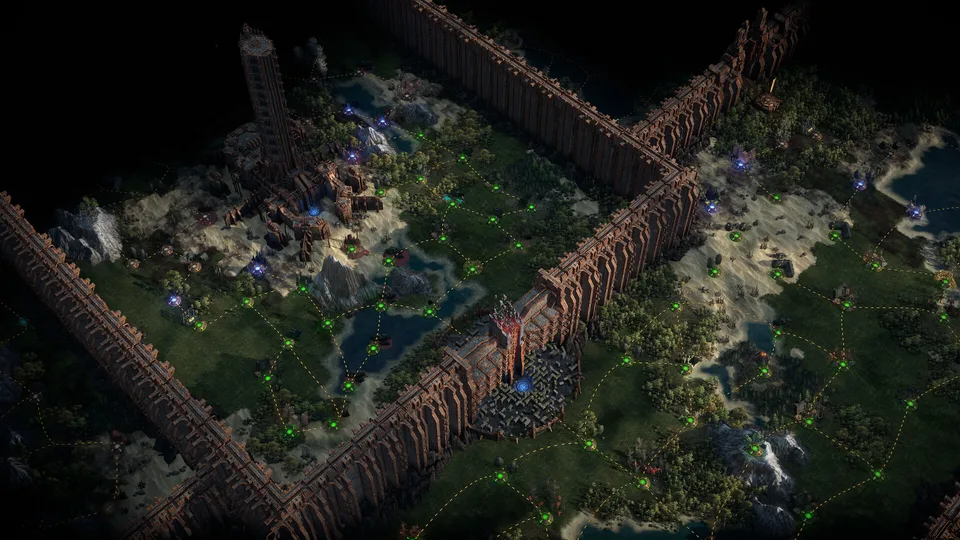
Discover how crafting works in Path of Exile 2 with our complete beginner guide covering currency tiers, bases, and step-by-step gear upgrades.
Published: Path of Exile 2 Wiki Editorial Team
Table of Contents
Understanding the Crafting Foundation in Path of Exile 2
Crafting items to progress your character is an essential part of the experience in Path of Exile 2. Developed by Grinding Gear Games, the sequel introduces a more approachable yet deeply rewarding system that differs significantly from its predecessor. Instead of feeling overwhelmed by convoluted mechanics, players can build up gear from trash into treasure by starting with a desirable base and strategically adding or modifying affixes.
According to community guides and expert resources, the absence of certain classic currencies fundamentally shifts how you approach item progression. Most notably, Orbs of Scouring do not exist in Path of Exile 2. This means you cannot scour away an undesirable affix once it is locked onto an item, which drastically increases the value of clean, uncrafted white items. Furthermore, socket management has changed entirely; sockets are now placed on gems rather than equipment, and they are automatically linked, allowing you to focus purely on stats like life, resistances, and damage during early gearing.
Essential Crafting Currencies and Their Tiers
Mastering the crafting system requires understanding how different orbs interact with your gear. Many basic crafting currencies feature multiple tiers known as "Greater" and "Perfect." These higher tiers modify items by guaranteeing modifiers with a minimum item level, helping you secure better stats during your projects.
Orb of Transmutation & Augmentation
Transforms a normal item into a magic item with one affix. Perfect or Transmutation orbs guarantee a minimum item level of 70. Augmentation orbs add an extra affix to magic items, with greater variants offering cheap and reliable rolls.
Essences and Regal Orbs
Regular essences upgrade magic items into rare items with a single targetable modifier. Regal orbs upgrade magic items to rare while adding one extra affix, bridging the gap between basic and advanced crafting.
Exalted and Chaos Orbs
Exalted orbs add a random affix to a rare item to fill empty slots. Chaos orbs replace a random modifier with another, though community reports emphasize that careful planning is required since scouring is unavailable.
Step-by-Step Weapon Crafting Example
To understand the practical flow of item building, community guides often demonstrate crafting a cheap endgame weapon, such as a Gemini bow, from scratch. The primary goal for a beginner is keeping costs low—typically between 10 to 15 exalted orbs—while aiming for a high-value outcome.
Choose the Right Base: Purchase a normal rarity item base from the market, ensuring it meets the desired item level threshold (such as level 81 or 82) to roll high-tier elemental or physical damage modifiers.
Apply Transmutation: Use a perfect or regular orb of transmutation to convert the normal item into magic rarity and roll a strong initial modifier, such as high-tier elemental damage.
Augment the Magic Item: Use a greater orb of augmentation to add a secondary beneficial magic modifier, such as increased chance for additional arrows, without spending excessive currency.
Upgrade with an Essence: Transition the item from magic to rare by applying a greater essence, such as the essence of abrasion for flat physical damage, which guarantees a targetable prefix while leaving suffix slots open.
Exalted Slam and Desecrate: Fill remaining slots using greater exalted orbs for high-tier stats like life leech, and finish the prefix slots using a desecration item to reveal final modifiers at the Well of Souls.
Apply Quality and Sockets: Enhance the final weapon using blacksmith's whetstones for quality, artificer's orbs for socket augmentations, and iron runes or soul cores to boost raw DPS before price-checking on the market.
Advanced Crafting Tools: Omens, Recombinators, and Catalysts
As you push further into the endgame of Path of Exile 2, you will encounter specialized mechanics tied to league systems that offer deeper control over your gear.
Tip
Meta-Crafting with Omens: Found during Rituals, omens act as meta-modifiers that alter how crafting currencies affect your items. For example, an Omen of Dextral Annulment forces your next Orb of Annulment to target a suffix specifically, giving you precise control when fixing an item.
Other advanced mechanics include Recombinators, which allow you to merge two items together via a Recombination Bench unlocked through Expeditions to keep the best modifiers on a single base. Additionally, catalysts rewarded from Breaches can add quality to jewelry to increase modifiers like life by up to 20 percent, maximizing your final gear setup.
Frequently Asked Questions
Can you remove unwanted affixes with an Orb of Scouring in Path of Exile 2?
No, Orbs of Scouring do not exist in Path of Exile 2. You cannot revert a magic or rare item back to a clean white state, making white bases valuable and forcing players to rely on careful planning or annulment orbs.
How do sockets work on gear in Path of Exile 2?
Sockets are no longer located on armor and weapons; instead, they are present on gems and are automatically linked. Equipment pieces instead feature sockets for Ezomyte Runes or Soul Cores, which provide powerful stat bonuses.
What is the purpose of using a Vaal Orb during crafting?
A Vaal Orb corrupts your gear with unpredictable outcomes, such as adding an enchantment or rerollable modifiers, but it permanently prevents the item from being modified further. It should always be used as the absolute final step in your crafting process.