Path of Exile 2 Currency Farming Guide: Best Strategies and Trading Tips
Master Path of Exile 2 currency farming with our guide on efficient mapping, non-mapping strategies, and expert tips for maximizing your wealth in Wraeclast.
Published: Path of Exile 2 Wiki Editorial Team
Table of Contents
Understanding the Currency Economy in Path of Exile 2
In the brutal world of Wraeclast, currency serves as the lifeblood of your progression. Unlike games with simple gold-based economies, Path of Exile 2 features a complex system where orbs function as both a medium of exchange and an essential tool for gear modification. Whether you are aiming for god-tier items or simply trying to upgrade your mid-game equipment, understanding how to generate and manage your currency is critical.
According to community reports and recent gameplay insights, the economy in Path of Exile 2 is distinct from its predecessor. With the introduction of the gold system for NPC transactions and respeccing, traditional orbs have retained their core utility as the primary components for crafting and player-to-player trading. Success requires moving away from relying solely on random drops and instead adopting proactive farming strategies.
High-Efficiency Non-Mapping Strategies
If you prefer to avoid the complexities of endgame mapping or have a limited starting budget, several non-mapping methods offer consistent, high-yield returns. These strategies are often described by experienced players as "infinite money glitches" due to their low entry cost and reliable scaling.
Trial of Chaos: Invest in level 80 Gin Bario or Inscribed Ultimatums. Focus on obtaining trial fragments and soul cores, which can command high prices on the trade market.
Logbook Farming: Target chest markers with the "swirly" icon to maximize Runic Splinter drops. At area level 81, you will also accumulate high item-level bases that sell well to crafters.
Simulacrum and Zest: Engage in T3 difficulty runs to trigger loot explosions. These encounters provide a steady stream of breach splinters, tiered rares, and potential Divine Orbs, often paying for the cost of entry multiple times over.
Mastering Endgame Mapping and Waystone Juicing
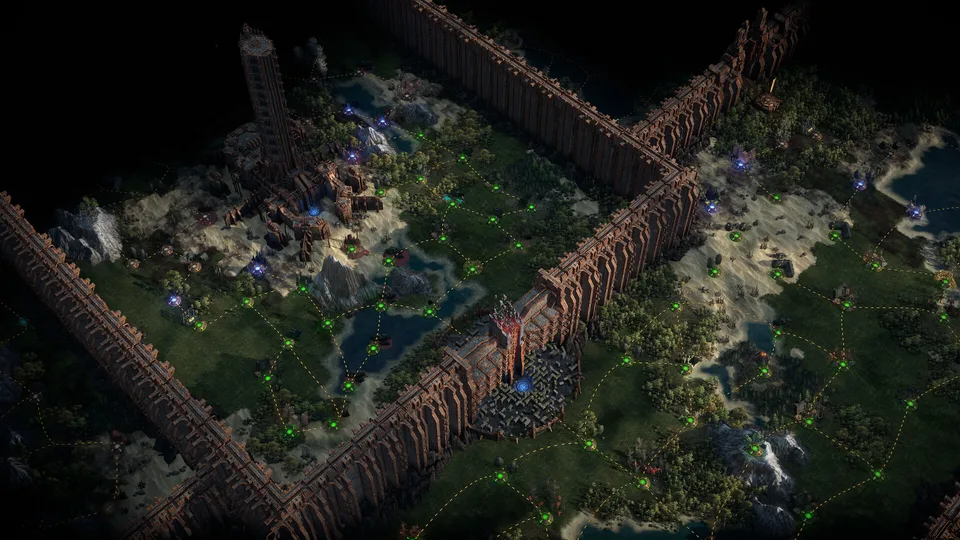
Mapping is the primary engine of wealth for most players, but "juicing" your Waystones is where the real profit lies. Simply running maps is rarely enough; you must manipulate the map modifiers to increase quantity and rarity.
When setting up your maps, look for two or three tower overlaps. Utilize tablets—specifically those that increase item quantity—to boost your rewards. For three-tower setups, incorporating a "Visions of Paradise" tablet allows you to run maps twice, effectively doubling your efficiency.
Tip
When preparing your Waystones, the most cost-effective method is to search the trade site for Tier 15 maps with at least 80% rarity and a "Desecrated" prefix. This allows you to bypass the RNG of crafting your own high-tier maps from scratch.
Item Evaluation and Crafting for Profit
A common mistake among new players is relying on raw currency drops. In reality, over 80% of your total profit will come from items you pick up, refine through crafting, and sell on the trade site. To succeed, you must learn to categorize your loot efficiently.
Vendor Trash: Items with low-tier rolls and no useful base stats. Sell these immediately for quick resources.
Good Items: Mid-tier gear that can be improved with minimal crafting investment. These are your bread-and-butter sales.
Great Items: High-tier bases with desirable modifiers (e.g., movement speed, specific resistances, or intelligence). These are worth spending significant currency to perfect before listing.
Always utilize a price-checking tool, such as Sidekick, to get a rough estimate of an item's market value. While not 100% accurate, it provides the necessary context to avoid underselling rare gear.
FAQ: Navigating the Market
Are currency items shared between PoE 1 and PoE 2?
No. The two games feature completely separate economies and underlying mechanics. You start fresh in Path of Exile 2, and no items or currency can be transferred between the two titles.
How do I handle the new gold system alongside orbs?
Gold is primarily for NPC interactions and daily expenses like respeccing. Orbs remain the core currency for modifying gear and high-level trading. You will need to manage both currencies as you progress.
Is it safe to buy currency from third-party sites?
Official platforms like the Path of Exile 2 Steam store provide the intended path for gameplay. Engaging with third-party currency sellers carries inherent risks, including potential account penalties. It is always recommended to farm currency through in-game mechanics to ensure your account security and experience.
By combining these farming strategies with smart market analysis, you can dominate the endgame and acquire the resources needed to craft the ultimate build. Remember, the market is dynamic—stay informed about patch changes and adjust your farming focus accordingly to keep your coffers full.